Clearing the Air is a plain-language guide by Dr. Jamie Reynolds of Reynolds Orthodontics. It explains how your nose, jaws, and airway connect to snoring, sleep apnea, and your smile. It’s written for parents, teens, and adults who want to understand their options before choosing a next step. It is for general education, and it doesn’t replace an individual evaluation.
Why Did an Orthodontist Write About Breathing?
Many families first meet Dr. Reynolds for straighter teeth. Along the way, they ask about snoring, mouth breathing, or restless nights. These questions matter, and they often connect back to how the jaws grow and fit together.
Dr. Reynolds wrote the book to gather those answers in one place. It follows a simple idea that guides his care: do what is necessary, and nothing more. That means looking closely, finding the cause, and choosing the right size of treatment for each person.
At Reynolds Orthodontics, the doctors look at a smile and a bite together, and sometimes the airway is part of that picture. When it is clinically appropriate, they consider it in each patient’s treatment planning.
What Will You Find Inside the Guide?
The guide covers the questions Dr. Reynolds hears most often in the practice’s offices. Each topic stands on its own, so you can read the parts that fit your family.
- Children’s snoring: which signs deserve a closer look and what to do next
- Early orthodontic visits: what Dr. Reynolds checks at around age 7 and why an early visit is not a commitment to braces
- Palatal expansion: how a growing child’s narrow upper jaw can be widened, and why timing matters
- Mouth taping: why it helps to find out why the mouth is open first
- Tongue-ties: what a normal tissue fold looks like and when a release is worth discussing
- Sleep studies: how to read the numbers on a report, and what the research says, including trial results on tonsil and adenoid removal
- Adult options: how treatments for snoring and sleep apnea compare
- MARPE and jaw surgery: when each may make sense
Does My Child’s Snoring Matter?
Snoring with a cold is common. Snoring most nights is different, and it’s worth mentioning to your child’s doctor. Other signs worth a closer look include breathing through the mouth, pauses or gasps in sleep, restless sleep, bedwetting, teeth grinding, and trouble with attention.
The guide includes a short checklist called the Pediatric Sleep Questionnaire. Families can ask for a copy at any of the practice’s four offices, or take it online. A few meaningful “yes” answers, or one worrying symptom, is reason enough for an evaluation.
Common causes include large tonsils or adenoids (soft tissue at the back of the nose and throat), a blocked nose, and a narrow upper jaw or a recessed lower jaw. A child can have more than one. That’s why the right team may include an ENT (ear, nose, and throat doctor), the child’s pediatrician, and an orthodontist working together.
When Does an Early Orthodontic Visit Make Sense?
Dr. Reynolds likes to see children around age 7. An early visit is not a commitment to braces. Most children at that age don’t need treatment yet, and a careful exam lets the doctors wait with confidence.
At that visit, the doctor looks at how the jaws fit together, jaw width, crowding, where new teeth are heading, and signs of breathing or sleep problems. Two outcomes are both good: “everything looks good, let’s watch” and “this is worth treating now.”
Timing can matter for some problems. A narrow upper jaw tends to respond best to an expander before about age 10, while a child is still growing. The child’s doctor will explain whether that applies to each child.
What About Teens and Adults?
Jaw questions don’t end in childhood. For teens and adults, Dr. Reynolds looks at what is driving the problem before suggesting anything. A 3D scan can show whether the teeth or the jaw itself is narrow, and that difference guides the plan.
Some patients do well with braces alone. Others may benefit from MARPE, which widens the upper jaw by anchoring an expander to the bone with small screws. The guide is clear that asking for a treatment is not the same as needing it. Recommendations depend on the individual patient, and not everyone is a candidate for every option.
For adults with sleep apnea, the guide walks through common choices, from nose treatment and PAP (air pressure) to custom oral appliances and surgery. The best option is one that works well and that the patient will use night after night.
Some adults want to confirm a concern with testing first. The practice can arrange WatchPAT, a home sleep test for adults, with Dr. Anil Rama. Home testing is for adults, not children.
Where Do Damon Braces Fit In?
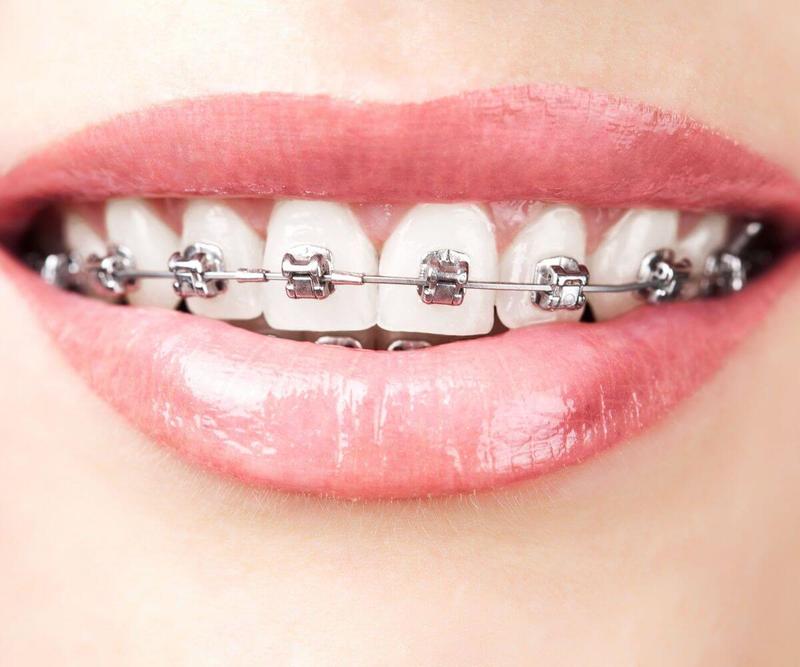
Damon braces are one of the tools the doctors use to straighten teeth and improve how the upper and lower teeth fit together. Reynolds Orthodontics is a Certified Damon Educator practice with extensive experience using them. They are not the only option, and they aren’t right for everyone.
Each doctor recommends what suits the patient after an exam, whether that’s braces in Novi, clear aligners, or another approach. To learn more about what the practice offers, the treatments page is a good place to begin. Where appropriate, the doctors also consider non-extraction treatment, which aims to make room without removing teeth.
How Do the Doctors Look at the Whole Picture?
The practice’s offices use iTero digital scanning, which creates a digital model of your teeth, and CBCT 3D imaging, which shows the jaws and airway structures in three dimensions. Both are available at all four offices. These tools help the doctors see what a regular exam can’t.
Patients can visit Reynolds Orthodontics in Novi, Troy, Rochester Hills, or West Bloomfield. Families also come from Farmington Hills, Birmingham, Bloomfield Hills, and other nearby communities. To learn more, visit the airway, snoring, and sleep page, or see all of the practice’s locations to find the office closest to you.